| Tactic | What the guidance says | Planning use |
|---|---|---|
| Clarify your reasons | Habit psychologist Benjamin Gardner advises asking why you want to read more and what the benefits would be. | Write the answer down before buying anything or setting a target. It decides which books and formats suit you. |
| Keep goals modest | Trying to achieve too much, too quickly, makes failure more likely. | Start with a target you can meet on a bad day, then raise it. |
| Attach reading to a routine | Reading often in the same situations, such as breakfast, the train to work or after dinner, builds the habit. | Choose a situation that already happens every day and put a book there. |
| Start with short works | Short-story collections and longform magazine journalism are suggested for building the habit. | Use them when long novels have stalled you before. |
| Use a daily benchmark | TIME’s writer aims for 50 pages a day because specific benchmarks keep her working toward a goal. | Treat this as one person’s benchmark to test, not a standard. |
| Track what you read | Suggested fields are title, author, genre, date and rating, which show what works for you. | Keep the log light so it does not become a chore. |
Guidance drawn from Psyche’s guide to a daily reading habit and TIME’s reading advice.
The answer to how to read more books is to make reading a higher priority by changing daily routines, start with books you enjoy, and keep early goals modest, because trying to achieve too much too quickly invites failure.
If you like a structured push, Reading Challenge Ideas: 24 Creative Plans To Read More This Year (2026) turns that advice into themed plans. The sections below cover habits, book choice, finding time, formats, speed and remembering what you read.
Reading habits: reasons, routines and surroundings
Reading more is mainly a scheduling and motivation problem rather than a skills problem. Psyche’s guide puts it plainly: to read more books, you have to make reading a higher priority, and that means changing your daily habits and routines. A reading list alone changes nothing if the day still has no place for it.
Decide why you want to read more
Gardner’s advice, quoted by Psyche, is to think about why you want to do it and what the benefits would be. This matters because the reason decides what you should read. Someone reading to relax needs different books from someone reading to learn a subject, and mixing the two goals is a common way to stall in the first week. Write your reason in a sentence and keep it where you keep your current book.
Pair reading with something that already happens
Psyche’s guide says to read often enough in the same specific situations, such as at breakfast, on the train to work or after dinner. The logic is simple. A habit hooked to an existing routine does not depend on remembering or feeling motivated. Pick a single situation, not all three. A reader who commutes has the train. A reader working from home has breakfast or the evening. Only add a second situation once the first is automatic.
Make books visible
The same guide recommends making books salient in your physical and digital environments. In practice that means moving the book out of the bag and onto the table where you eat breakfast. It also means putting your reading app or e-book library where social media currently sits on your phone. Visibility works as a cue, and the cue costs nothing.
Choosing what to read so the habit lasts
Early success depends more on enjoyment than on ambition. Psyche notes that you are more likely to prevail if you choose books that are inherently enjoyable for you, and it advises starting with books you enjoy. A worthy book you dread reading will lose to the phone every evening.
Begin with short works
TIME’s guide suggests starting with short-story collections or longform magazine journalism when you are building the habit. Short pieces give a finish line inside a single sitting, and finishing is rewarding. This option suits readers who have abandoned long novels before. Once finishing feels normal, move to full-length books.
Readers who feel unsure about where to begin can browse The Best Books For Beginner Readers: 25 Easy, Engaging Picks To Start Reading Confidently In 2026. If your interest is a particular subject, Philosophy Books For Beginners: The 2026 Starter Guide To Thinking Clearly and Learn To Draw: The Best Beginner Drawing Books And How To Start Today (2026 Guide) show how to pick an entry point in an unfamiliar field. For readers drawn to books with a public history, Banned Books You Should Know: 10 Most Challenged Titles And Why They Still Matter (2026 Guide) is a ready-made reading list.
Read more than one book at a time
Anne Bogel, quoted by TIME, says reading more than one book at a time can help ensure there is always something you are in the mood for. One blogger at Armed With a Book usually has 3-5 books in progress. The benefit is fewer moments of choosing, and choosing is where reading time leaks away. The condition is variety: a heavy nonfiction title, something light and perhaps an audiobook rarely compete with each other. Several near-identical books in progress usually would.
Use your library card and your librarian
TIME quotes an NYPL staff member saying that librarians are almost always eager to engage with patrons and recommend books. A library card costs little and gives you low-stakes access to books that you might not buy. It also gives you a person to ask when you do not know what to read next. If you are unsure which formats your library offers, ask the librarian rather than assuming.
Finding the time: sessions, benchmarks and phone swaps
Time for reading usually comes from small, repeated sessions rather than a free afternoon. Rebecca Hastings writes that little slivers of time add up to chapters read every day. The practical task is to find the slivers you already waste and give each a book.
Swap the phone for a book in waiting moments
Hastings advises opening a book instead of picking up your phone when you are waiting for something. This suits people who feel they have no time but check their phones often. Keep the book, or a reading app, within reach so the swap takes no effort.
Go to bed earlier and read
The same author suggests heading to bed ten minutes early and opening a book instead of your phone. The suggestion is deliberately small. Ten minutes will not finish a book quickly, but it is a target you can meet nightly, and it anchors reading to an event that happens anyway.
Use a timer for focused sessions
The Armed With a Book blogger sets a 30 minute timer for distraction-free reading. A timer helps if you often reach for your phone mid-chapter, because it turns reading into a short, bounded commitment. If 30 minutes is too long at first, shorten the session. Psyche’s warning about attempting too much too quickly applies directly.
Decide whether a page target helps you
TIME’s writer thrives on specific benchmarks and aims to read 50 pages a day. That is one reader’s number, and it will suit some people and frustrate others. A page target helps if you respond to measurable goals and gets in the way if it makes you rush books you love. Try it for a short stretch, and if you start skimming to hit it, drop the target. To judge what a page count means for your own pace, see Average Reading Speed In Pages: How Many Pages Can You Read Per Hour (2026 Guide).
A quick set-up checklist for a first week:
- Name the reason. One sentence, written down.
- Pick the anchor. One recurring situation, not several.
- Choose an enjoyable, short starter. Something you want to open.
- Place the book. Put it where the anchor happens.
- Set a small goal. Smaller than you think you can manage.
Formats: audiobooks, e-readers and print
The best format is the one that fits the situation you are reading in. Chasity Moreno, a librarian quoted by TIME, recommends being open to different formats, including e-books and audiobooks, because each can fit reading into parts of the day that print cannot.
| Format | What the guidance supports | Best fit | Main limit |
|---|---|---|---|
| Audiobooks | Experts quoted by TIME say listening counts as reading. One blogger says audiobooks drastically increased the time spent reading. | Laundry, folding and other chores that occupy your hands. | Weaker when you want to take notes. |
| E-readers | A librarian advises openness to e-books. TIME’s writer calls herself a Kindle loyalist for reading on the go. | Reading away from home, in short gaps. | The device choice is personal. Compare platforms before committing. |
Table drawn from TIME’s guide to reading more and the Armed With a Book reading tips.
Audiobooks: do they count?
Yes. TIME reports that, according to the experts it consulted, listening to an audiobook counts as reading. For the longer discussion, see do audiobooks count as reading. The better question is what each format suits. The Armed With a Book blogger finds audiobooks best for laundry and folding, but only when notes are not needed. So audiobooks are as good as print for covering a story or an argument during time that would otherwise be lost. They are less suited to study that depends on writing as you go. A sensible split is to listen to narrative or lighter books during chores and keep print or an e-reader for material you want to annotate.
E-readers for reading on the go
TIME’s writer says she is now a Kindle loyalist, which fits the use case of carrying a library in a bag. An e-reader suits commuters and travellers who read in short windows. Choosing between brands is a separate decision, covered in kindle vs kobo.
Print for notes and re-reading
Ryan Holiday, writing at his site, says you should keep the books you read for reference and re-reading. Print also gives you room to write in the margins, which links to the next sections. His approach is a preference, not a rule: he also says he does not borrow library books and has not since childhood. That works for a reader who wants an owned reference shelf. A reader trying many books before committing may prefer the library route.
Speed reading and slow reading
Reading more books does not require reading faster. Holiday, who describes reading hundreds of books a year, says he reads deliberately slowly so that he can take notes. The takeaway is that the volume of books comes from consistent time spent reading, not from rushing each page.
If speed is a real obstacle for you, there are dedicated guides. How To Increase Reading Speed: Practical, Proven Methods To Read Faster And Retain More In 2026 covers methods that aim to preserve retention. For a look at a famous course, read Evelyn Wood Speed Reading: The Practical Guide To Reading Faster Without Losing Comprehension. Whichever route you take, judge it by whether you still remember and can use what you read.
Remembering what you read: notes, logs and journals
You remember more of what you read when you work with the text while reading and keep a record afterwards. Holiday’s slow reading exists precisely so notes can be taken, and the Armed With a Book blogger finds audiobooks poor when notes are wanted. Both point to the same choice: when retention matters, use a format and a pace that leave room to write.
Take notes while you read
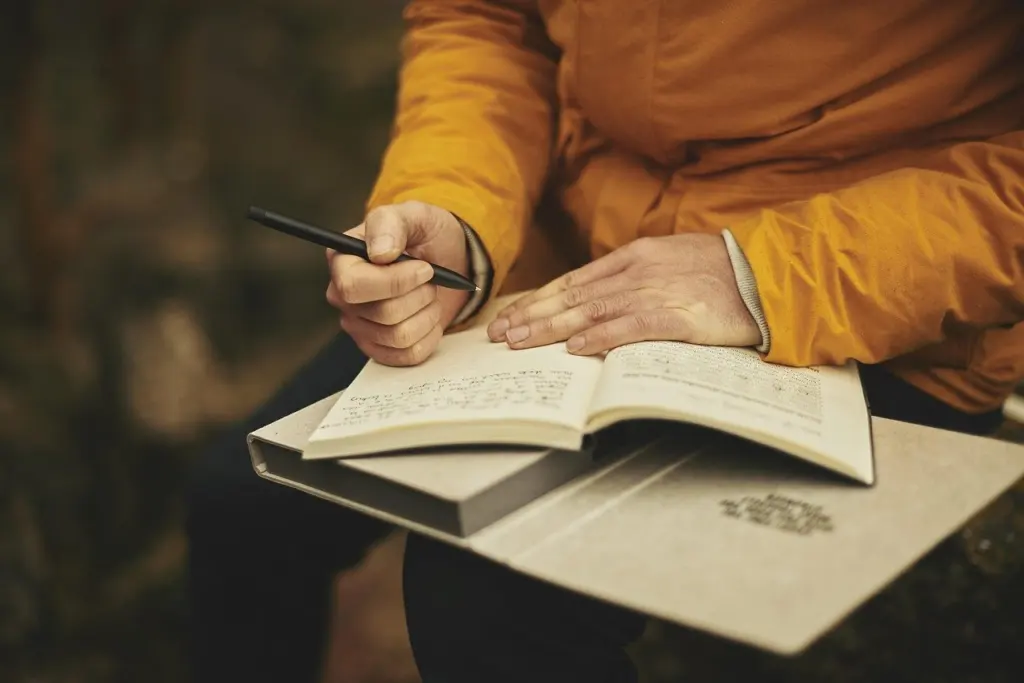
Reading slowly enough to take notes is a trade-off, and it is the one Holiday chooses. If you want a template for what to write, how to take notes on a book offers a one-page structure. For marking in the text itself, How To Annotate A Book: A Practical 2026 Guide To Reading, Marking, And Remembering goes through the options. For a broader treatment of memory, see how to remember what you read.
Track your reading
TIME recommends tracking what you read, with title, author, genre, date and rating as typical fields. Its reasoning is that by gathering data you get an accurate picture of what works for you and what does not. That makes a log useful for two purposes. It records progress, and it tells you which kind of book to pick next, which supports the enjoyment principle above. Keep the entries short enough that you will actually write them.
Choose a journal or printable format
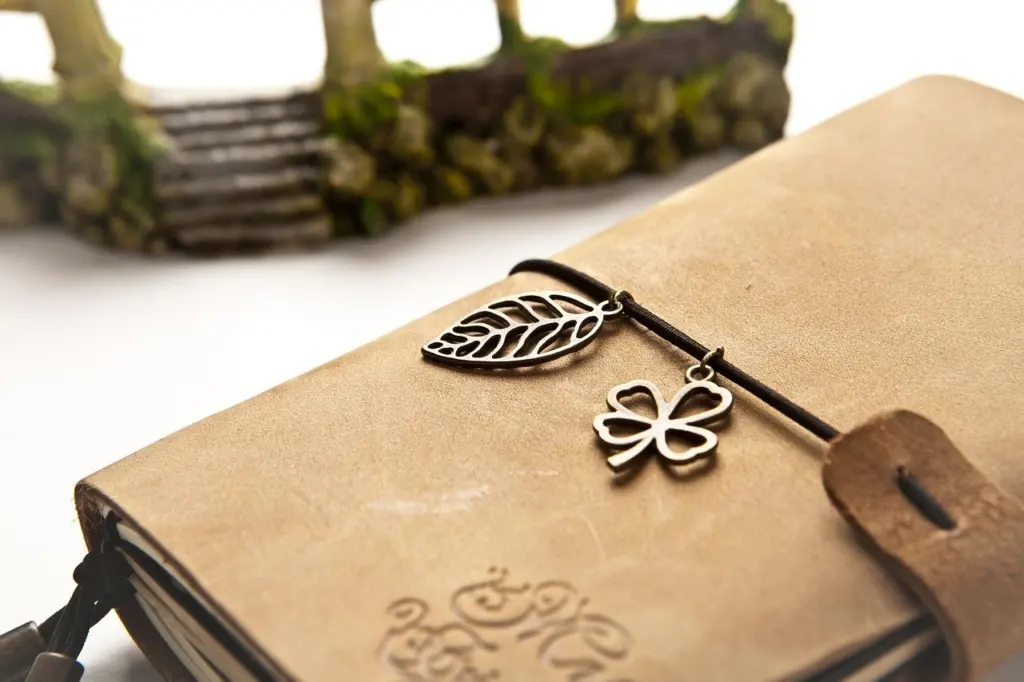
A notebook, a spreadsheet and a printed sheet all work if you use them consistently. For prompts and layouts, 50 Reading Journal Ideas To Spark A Year Of Better Reading (2026 Guide) gives plenty of options. If you prefer a ready-made sheet, The Ultimate Reading Tracker Printable: Organize Your Books And Boost Reading Habits In 2026 covers the printable route. Pick whichever you will open without a decision, and change it if it starts to feel like homework.
Reviewing your habit after a few weeks
A habit needs a check-up as much as a start. Use these questions to find the weak point rather than trying everything at once:
- Is the book enjoyable? If you keep avoiding it, the book is the problem, not your discipline.
- Is the anchor situation reliable? If the situation often does not happen, pick another.
- Does the format match the setting? Chores suit audio; note-taking suits print or a device that lets you write.
- Is the goal still small enough? Psyche’s advice against doing too much too quickly still applies after the first week.
- Is the log telling you anything? If the ratings show you prefer certain genres, buy or borrow more of them.
Change one thing at a time, so you can tell which change helped.
Frequently asked questions
Is it acceptable to stop reading a book I dislike?
Yes. Psyche advises not being afraid to quit books you do not like, and Anne Bogel tells readers in TIME to quit a book that is not for them. A book you abandon costs less than a reading habit that stalls on it.
Should I borrow books or keep them?
It depends on what you want from the book. Ryan Holiday keeps books for reference and re-reading and does not borrow. A library card suits trying books before committing, and librarians are generally keen to recommend titles.
Do I need to read slowly to learn from a book?
Not always, but slower reading makes note-taking easier. Holiday reads deliberately slowly for that reason. If you only want the story or the broad argument, a faster pace or an audiobook can be enough.