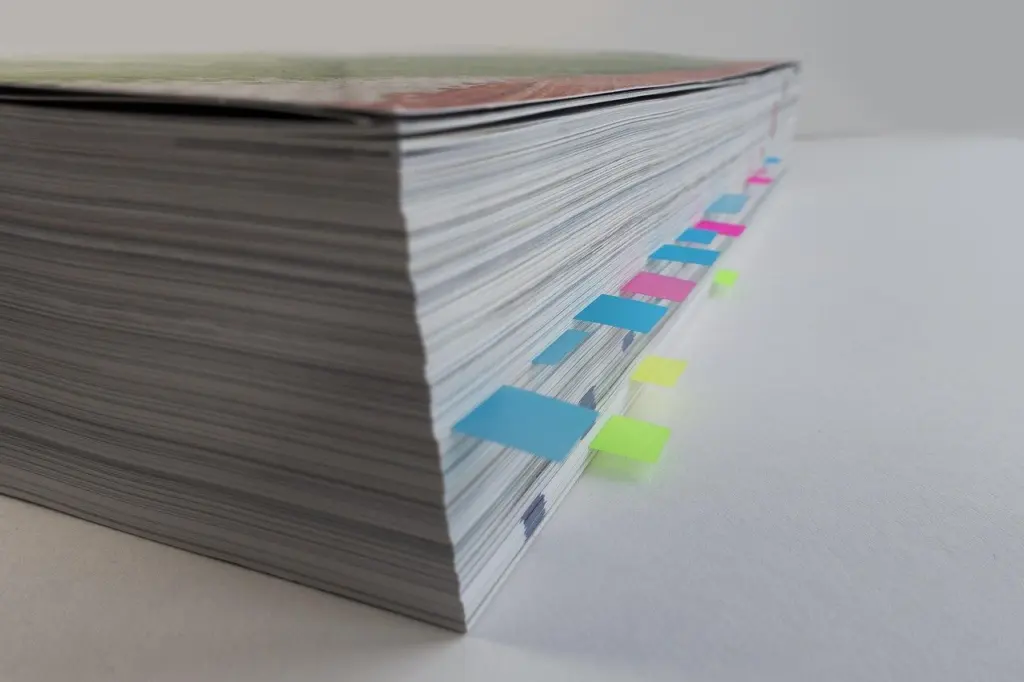
To learn how to annotate a book, read with a fixed key: mark only the passages that matter, write a short reaction beside each, and summarise the whole from memory when you finish.
Annotation is one habit within how to read more books and actually keep what they say. The method below is a repeatable system: tools, a workflow, a symbol key and an example page.
What annotation does while you read
Annotating a book means reading and analysing the text, then adding your thoughts, feelings and ideas directly to it, as described in one reader’s how-to guide. That makes it a form of active reading. You cannot mark a passage without deciding that it matters, and you cannot write a reaction without forming one.

The marks serve three jobs. They show you where the important material sits, they record what you thought at the time, and they give you a trail to follow when you come back. An open college literature textbook states the point plainly: annotations are not collected or graded, yet doing them properly aids understanding. Your marks are for you, so tidiness matters less than usefulness.
Marginalia, the notes written in the margins, carry the most thinking. Highlighting and underlining only locate. The system below keeps the two roles apart so that your pages stay readable.
Tools and what each is good for
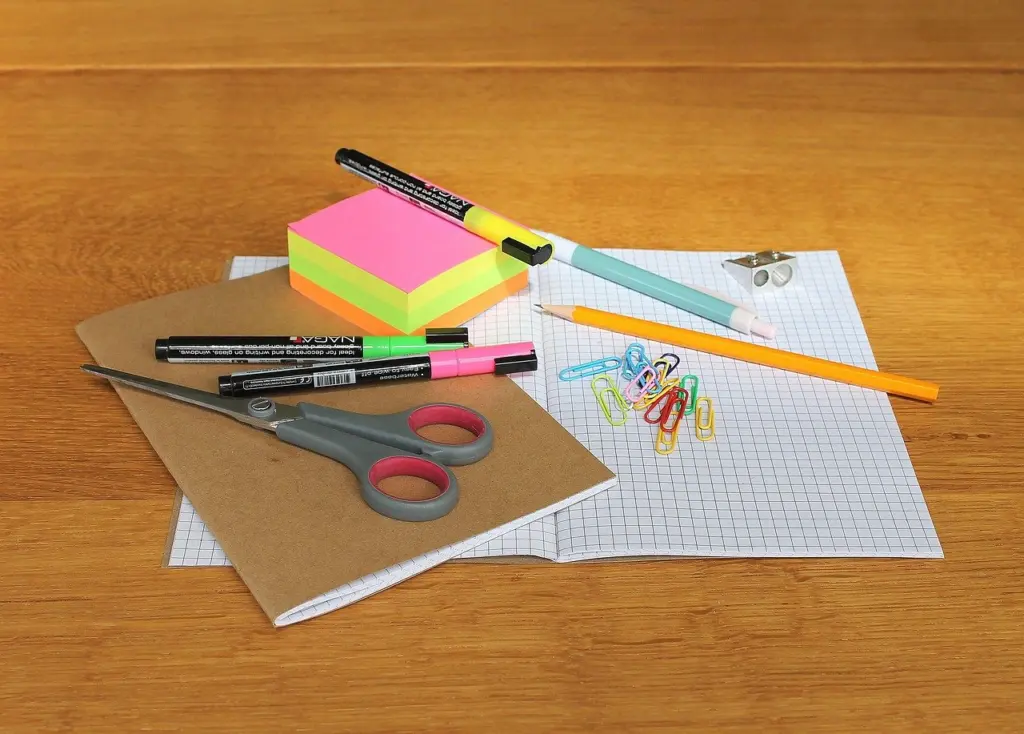
Choose tools by what they do to the paper and what job they will do. Paper quality matters more than most readers expect. A stationery guide notes that most paperbacks use groundwood paper, similar to newsprint, which is highly porous and acts like a sponge. Test any pen on a back page before you trust it with a chapter.
| Tool | What it does on the page | Planning use |
|---|---|---|
| Oil-based ballpoint | Oil is thicker and viscous, so it sits on top of the paper fibres rather than soaking in. It is recommended over gel on porous paper. | Your default margin pen for paperbacks. |
| Water-based gel pen | On porous paper the ink spreads sideways (feathering) and soaks through to the back (bleeding). | Avoid on cheap paperbacks; test on a spare page first. |
| Highlighters | Colours can follow a book’s themes, for example pink for love, blue for sad, red for anger and orange for character development. | Use for finding passages again, not for recording thoughts. |
| Translucent sticky tabs | PET-style tabs are waterproof and tear-proof, with a silicone adhesive that can be removed years later. | Page markers for passages you will return to, with no damage to the paper. |
| Transparent sticky notes | One reader writes on them and pastes them beside the passage being referenced. | A way to annotate without marking the page itself. |
Product descriptions come from a stationery guide, and the sticky-note practice from a reader’s annotation guide.
Start with a pen that will not bleed, one or two highlighter colours and a pad of tabs. Add more only when a gap shows up in use. A bigger kit tends to produce a busier page, not a better one.
The annotation workflow, stage by stage
The order matters because each stage limits the next. Deciding what to look for limits what you mark, and marking limits what you have to review. The course textbook gives a reading checklist and a closing routine that fit together into this sequence.
- Decide what you are hunting for. The course checklist for reading a literary text names characters, setting (when and/or where), vocabulary and important ideas or information. Pick the categories before you open the chapter.
- Fix your key. Choose your colours and symbols once, using the next section, and write them on the inside cover or a tab. Changing a key mid-book makes earlier pages unreadable.
- Read, then mark sparingly. Mark a passage only when it answers one of your categories. If every page carries marks, none of them points to anything.
- Write in the margin. The course instruction is to formulate opinions and to make connections, asking whether you can see any link to another part of the text or to something else you know. Open-ended questions work better than labels because they give you something to answer later.
- Tab the passages you will need. Use a tab only for pages you expect to return to, so the tabs stay meaningful.
- Summarise from memory. When you finish, attempt to summarise the work in two to three sentences without looking at the material.
- File the summary where you will find it. The same course advises completing these closing points in the margins at the end of the text or on the back of the last page.
The textbook also says there is no “right way” to annotate, and that if you already have a system you should use what you are comfortable with. Treat the sequence as a default and change the parts that do not suit your books. The summary step is the one to keep, because it checks whether your marks added up to understanding.
A symbol and colour key you can reuse
A key works only if you apply it the same way every time. Published examples show how freely the colours are assigned. The course textbook suggests green for characters, blue for setting and yellow for margin notes. A theme-based key from a reader’s guide uses pink for love or heartfelt moments, blue for sad, red for anger and orange for character development. An academic key in the stationery guide gives blue to definitions, key terms and vocabulary, and red to exam material.
Blue means setting in one, sadness in another and definitions in the third. The lesson is that no colour has a fixed meaning, so write your own key down and stick to it. Use colour for categories you want to find at a glance, and use symbols for your reaction. The following key is a suggested starting set, not a standard:
- Star beside a line: the central idea or the strongest evidence for it.
- Question mark: unclear, or something to check later.
- Exclamation mark: a surprise or something that changes your view.
- Underline: the exact phrase you might quote.
- Arrow: a link to an earlier or later passage; write the destination next to it.
- Circle: a word to look up, or a character on first appearance.
Example page
This illustration shows how the key looks on a single page. A character is introduced in a descriptive paragraph, and you circle her name and shade it in the character colour. A sentence revealing what she is afraid of gets a star. The phrase you would quote is underlined. A question mark sits beside a strange detail, and the margin note beside it reads: “Why does she hide the letter? Does this contradict her earlier calm?” A final arrow points back to the earlier scene with the page number written beside it. At a glance you can see who appears, the main idea, the quotable line, the open question and the link, without rereading the paragraph.
Highlighting or writing in the margin
Use the highlighter to locate and the margin to think. Highlighting records that a passage mattered, while a margin note records why. The course instruction to formulate opinions and connect ideas describes margin work, and a highlighter cannot do that. If you only highlight, you will return to a page of colour with no memory of what the colour was for.
Highlighting still has a role when you will need to scan quickly. Pair a colour with a category, as in the key above, so the colour answers the question “what was this passage for?”. Skip it when you want to understand an argument, because the effort of writing a sentence in the margin forces the comparison that colour skips.
The medium is the other consideration. On porous paperbacks, the stationery guide’s findings favour an oil-based ballpoint over gel for margin notes, because gel feathers and bleeds through. Where you do not want ink on the page at all, tabs and transparent sticky notes carry the same information without touching the text.
If you are looking for a text dense enough to practise on, Philosophy Books For Beginners: The 2026 Starter Guide To Thinking Clearly is a place to find one, and arguments built step by step reward a margin note at each turn. For a practical book where you work through exercises, Learn To Draw: The Best Beginner Drawing Books And How To Start Today (2026 Guide) suggests titles in which your notes can record what you tried and what you would change.
Turning annotations into notes
Marks on a page are raw material, and you get the benefit when you pull them into a short, searchable record. After the closing summary, copy the starred lines, the best underlined phrases and your answered questions into a notebook or app, with the page number beside each. Keep your own wording separate from direct quotations so you can tell later which is which.

Group the entries by your categories rather than by page order. Character notes, setting notes and open questions then sit together, and the notebook becomes a quick reference for discussion or writing. Keep the notebook short. If an entry is not something you would want to find again, the passage did not need a mark in the first place.
Frequently asked questions
Is there one correct way to annotate a book?
No. The course textbook says there is no “right way” to annotate, and that readers with an existing system should use what they are comfortable with. What matters is consistency: a key you apply the same way each time.
Do annotations need to be neat or shareable?
No. In that course the annotations are not collected or graded, and their value lies in aiding your understanding. Write for your future self and keep the key legible.
What do old annotations offer when I reread a book?
They show how your reading has changed. One reader describes old notes, reactions and highlights as a time capsule of your past self. Another describes decades of layered notes in a single copy of The Great Gatsby as an archaeological dig, with newer scribbles answering older ones, each layer looking at different aspects of the book.