| Signal of fame | What it shows | Planning use |
|---|---|---|
| Book Riot’s influential children’s books list | Covers beginning readers (approximately age 6 to 8) up to younger teens | Treat it as the overall span of children’s literature, not a rating for any single book. |
| 2021 Kids’ Book Choice Awards, ages 8-12 | Children picked their top 5 favorite authors from the nominees | Use child-voted favorites when choosing for confident independent readers. |
| Charlotte’s Web by E.B. White | Listed with a 1952 publication year | A mid-century classic that still appears on influential lists; check the edition you buy. |
Age spans come from Book Riot’s list of influential children’s books and the Kids’ Book Choice Awards ages 8-12 page.
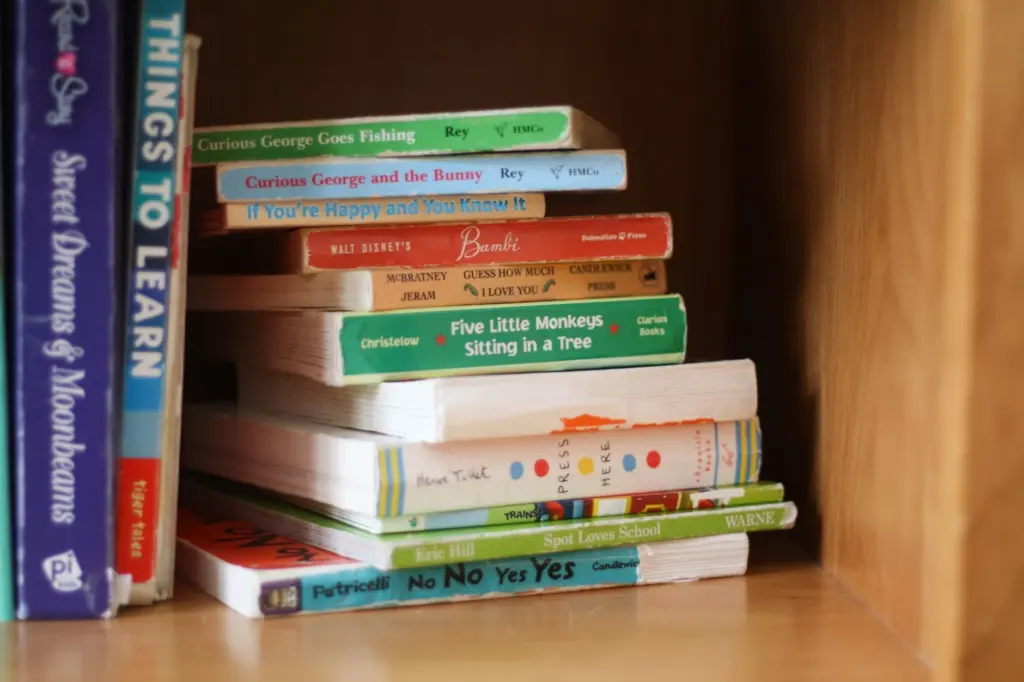
Choosing famous childrens authors is best done by reader stage and purpose: the field runs from beginning readers to younger teens, so match the author to the child’s level and to what you want the book to do.
If you are building a wider reading habit, which book to read first by an author explains how to pick an entry point. This guide applies that thinking to children’s shelves.
Authors who anchor the conversation
Fame in children’s books shows up in three different ways: adult writers remembering what they read as children, children voting for favorites, and a place on influential lists. Each signal tells you something different, and none of them is a certificate of suitability for a particular child. Use them to build a shortlist, then read a few pages yourself.
Beatrix Potter
Potter is often assumed to be soft and nursery-safe. Margaret Atwood’s account in a Lit Hub collection of writers on their favorite children’s books complicates that. She recalls reading several Potter books from what she calls Potter’s “dark period”, the ones with knives, cannibalistic foxes and stolen babies in them.
That is one reader’s memory, not a measure of the whole body of work. The practical lesson is that a classic reputation does not replace previewing. Read the story ahead of a bedtime session, especially with a child who is anxious about danger or loss.
Roald Dahl
In the same Lit Hub collection, Jhumpa Lahiri says she likes rereading and sharing childhood books, including everything by Roald Dahl. A writer who keeps returning to an author as an adult is useful evidence for one specific purpose: Dahl is a sensible choice when the adult plans to enjoy the book too. If you are reading aloud night after night, your own interest matters.
E.B. White
Book Riot lists Charlotte’s Web by E.B. White with a 1952 date on its influential children’s books list. For a parent or teacher, an older title like this is worth choosing when you want a longer story that rewards shared reading, and when you are comfortable with an older edition’s look and layout. The list’s scope is broad, so it should guide your shortlist rather than set an age.
Matching authors to ages
No single age label covers a children’s author, because most writers work across formats and a child’s reading level can differ from their listening level. The supplied evidence offers two useful frames, and the practical choice comes from combining them with your own knowledge of the child.
- Start with the broad span. Book Riot describes its list as aimed at beginning readers and up to younger teens. That is the list’s scope, not a publisher age rating, so do not read it as a promise that every title suits every age within it.
- Use votes for the older primary years. The 2021 Kids’ Book Choice Awards had an ages 8-12 Favorite Author category, where children chose their top 5 from the nominees, per the awards page. If a child in that range resists assigned reading, nominees chosen by their peers are a low-risk way to start.
- Separate listening from reading. A child who is not yet reading independently can still enjoy a longer story read aloud. Choose the read-aloud book for the story, and the independent-reading book for how easy the pages are to decode.
- Let interest outrank level. A reluctant reader who loves one author will often read more of that author’s work than a title chosen purely for level. Use the age span to rule out the clearly unsuitable, then follow the child’s enthusiasm.
Teachers building a class set can apply the same logic across a room: aim for a spread inside the span, include at least one author children have voted for, and keep a few older classics for shared reading.
Picture books and wordless stories
Picture-led books change what you do as the adult. When the pictures carry the story, the reader can slow down, point and ask questions, rather than rushing to the end of the text.
Julia Alvarez names A Small Miracle by Peter Collington as a favorite picture book, describing it as wordless, in the same Lit Hub collection. A wordless book suits a child who is not reading yet, because there is no text to fail at. It also suits a mixed group of mixed abilities, since everyone starts from the same pictures.
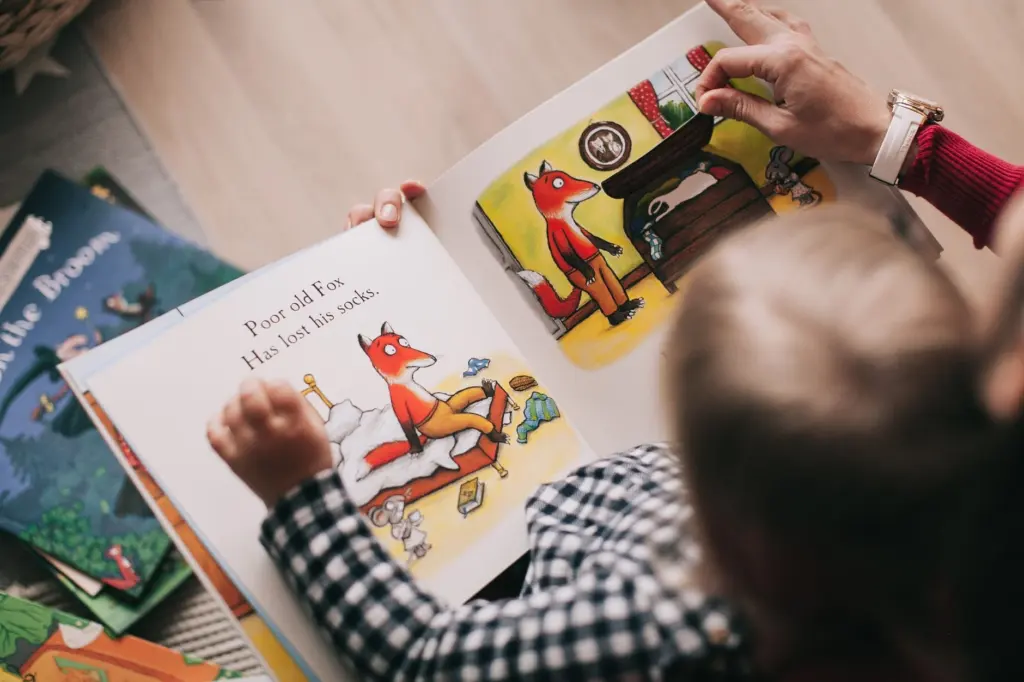
When you pick a picture book, look at how the pages balance image and text. A page with very little print leaves room for the child to supply words. A denser page asks the adult to carry more of the telling. Neither is better; they suit different moods and different children.
Sharing and rereading books
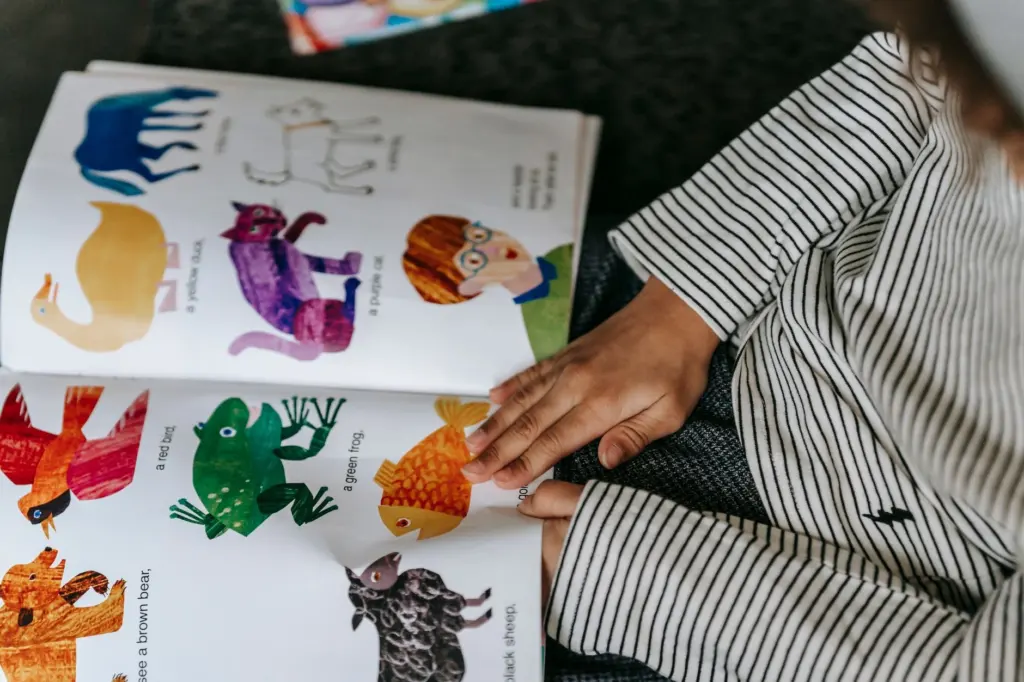
The authors who last in these accounts are ones people return to. Lahiri describes rereading and sharing, and Kamila Shamsie credits childhood fantasy stories with teaching her to dream and imagine. Both statements are personal recollections, not research findings, but they point to a sound habit: choose books you would not mind reading twice.
Practical ways to build rereading into a routine:
- Keep favorites accessible. A shelf the child can reach makes it easy to ask for the same book again, which is a sign the author is working for that child.
- Pair a fantasy with a real-world story. If a child loves imaginative tales, add a realistic title alongside, so the shelf offers range without dropping the genre they enjoy.
- Read ahead for tone. As the Potter example shows, a famous name does not guarantee a gentle story. A quick preview takes less time than managing a frightening page mid-session.
Widening the shelf beyond the famous names
The best-known names are a starting point, not the full field. The School Reading List maintains an alphabetical author index covering children’s, teen and young adult writers, and describes its aim as a broad and representative list of authors from around the world, with attention to diverse and relatable characters.
For a school or home library, that kind of index is useful when the shelves lean toward a few familiar authors. Browse it for writers whose characters resemble the children who will read them, then add one or two unfamiliar names alongside the classics.
Adults often pick up their own reading while sharing books with children. Those who want fast-paced fiction for themselves can look at If You Love Dan Brown: 8 Authors Who Deliver Codes, Conspiracy, and Rapid-Fire Thrills (2026 Guide). Children who start inventing their own stories might enjoy Find Your Perfect Pen Name: Quick Ideas, Tips, And A Free Generator Guide (2026) as a playful writing prompt.
Frequently asked questions
Are classic children’s authors always gentle?
No. Margaret Atwood recalls some Beatrix Potter books as belonging to a darker period, so preview classics before reading them to a sensitive child.
Does a famous author have a fixed age rating?
No. The age spans in the evidence describe the scope of a list or an awards category, not a rating for an author’s whole output. Judge individual titles.
Can a wordless book count as real reading?
Yes, as a first step. A wordless picture book such as A Small Miracle lets a child follow a story through pictures alone, and an adult can add questions without any text getting in the way.
Where can I find authors beyond the best-known names?
The School Reading List’s author index covers children’s, teen and young adult writers from around the world, and is a practical place to browse for more diverse characters.