
| If you want | Try | Era or scope | Planning use |
|---|---|---|---|
| Pictures and short chunks | FDR and the New Deal for Beginners by Sabrina Jones and Paul Buhle | Original comic art; a period nearly a century ago | Start here if dense prose puts you off a history book. |
| A story that moves | The Spy and the Traitor | A true story that reads like a thriller; the audiobook runs 14 hours and 32 minutes | Suits readers who want plot first and context second. |
| One person’s life | Tesla for Beginners or Harriet Tubman for Beginners | Biography of an inventor or of a figure in the fight for justice | Pick a person you already find interesting, then follow the period outward. |
| A defined war | An Army at Dawn by Rick Atkinson | The War in North Africa, 1942-1943; 2003 Pulitzer Prize for History | Good when you want depth on a single campaign rather than a survey. |
| A country or founding document | French Revolutions for Beginners; US Constitution for Beginners | 15 changes in less than a century that shaped modern France; a Constitution drafted in 1787 | Use these to learn how one nation’s institutions took shape. |
Titles and details come from Explore the Archive’s history-for-beginners guide and the Five Books popular history category.
The best history books for beginners are the ones a reader will actually finish: illustrated For Beginners titles for short chunks, narrative history for story, or a biography for one person’s life.
Match the format to your patience first and the era second. For wider recommendations across genres, see our best books to read.
What the right starter book changes
Five Books describes popular history books as a good way to get readers excited about a historical period, person, topic or country. That purpose should drive your choice: a beginner’s first book needs to create appetite, not cover everything.
- Momentum beats completeness. A book you finish teaches you more than an authoritative one you abandon. Choose the format that matches your attention span, not the one that sounds most serious.
- Your first book reveals your taste. If a biography keeps you reading, follow its period outward. If a war narrative grips you, stay with narrative history. Treat the first pick as a probe rather than a commitment.
- A narrow subject can be a better entry than a broad one. A single person, campaign or country gives you a thread to hold, which suits readers who find sweeping surveys shapeless.
Matching format to reading style
Beginner-friendly history comes in three main shapes. Each suits a different reader, and each has a limit worth knowing before you buy.
Illustrated and chunked formats
The For Beginners series is described by Explore the Archive as broken into easy-to-digest chunks, complete with illustrations. FDR and the New Deal for Beginners goes further, with original comic art and a setting nearly a century ago. These books suit visual readers and anyone returning to history after a long gap. The trade-off is that a chunked format gives you orientation, so plan to follow up with a longer book once a subject grabs you.
Story-driven narrative history
Narrative history treats the past as storytelling. A Five Books interviewee on popular history calls the present a golden age of narrative history and cites Barbara Tuchman as a key figure. Tuchman’s The Guns of August won the 1963 Pulitzer Prize for Nonfiction. In the same list, The Spy and the Traitor is a true story that reads like a thriller. For a reader who drops books that feel like textbooks, these are the safest bets.

Biographies
Biographies give a beginner a single human thread through a period. Tesla for Beginners explores the life and enduring impact of a complicated inventor, while Harriet Tubman for Beginners covers a woman who dedicated her life to the fight for justice. Five Books also lists a book on Genghis Khan, founder of the Mongol empire, the biggest land empire the world has known. Choose a biography when a person’s name already draws you in, since curiosity about the subject carries you through the less lively stretches.
Ancient and modern starting points
Eras differ in how far back they reach, and Five Books gives working boundaries. Its ancient history category runs up to c. 500 AD, and its modern history category covers 1800-1945. Those labels are handy for browsing, but they are a category convention, not a rule about where a reader must begin.
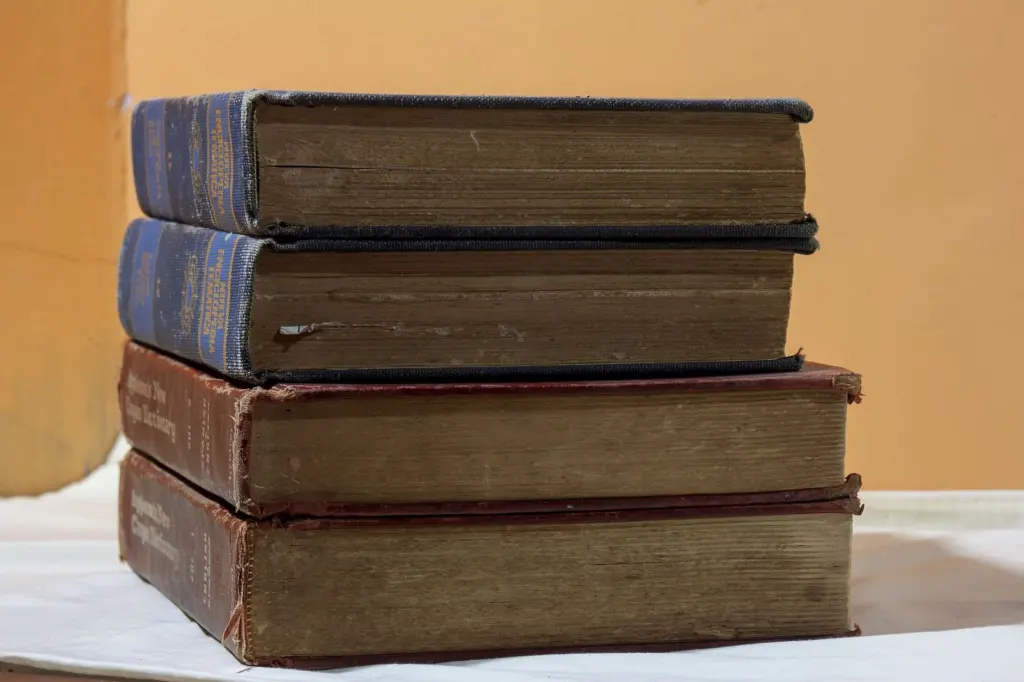
For ancient history, a popular overview is the practical choice. The Greek historian Herodotus, from the fifth century BC, is considered the father of history according to Goodreads’ history genre page, so the tradition you are entering is old and well documented.
For modern history, the options within the window are plentiful. An Army at Dawn covers the War in North Africa, 1942-1943, and won the 2003 Pulitzer Prize for History. FDR and the New Deal for Beginners sits in the same broad span. French Revolutions for Beginners and US Constitution for Beginners reach back to earlier periods, so they work as bridges if you want to see where modern institutions came from. Per Explore the Archive, the Constitution was drafted in 1787.
Why narrative works as an entry point
Goodreads describes history as the discovery, collection, organization and presentation of information about past events, in a field that uses narrative to examine and analyse the sequence of events. That explains why story-led books suit newcomers: the form a beginner finds easiest to follow is also the form the discipline itself uses. A narrative gives events an order, so cause and effect become visible rather than a list of names and dates.
It also explains the limit. A single gripping narrative shows one version of events, so it is wise to read a second book on the same period before treating the first as settled.
Building a reading path
- Choose one format. Decide between pictures, story or a person, using the table above.
- Sample before committing. Read the opening pages in a library or bookshop. If the prose feels like effort within a few pages, switch format rather than push on.
- Add a second book on the same subject. Pair a narrative with a biography or an illustrated overview to cross-check the story.
- Move sideways when you stall. Fiction can keep the reading habit alive between history books. Readers who like sweeping stories can try The Best Fantasy Book Series For Adults In 2026: 6 Series Worth Your Time, and those who enjoy bookish, atmospheric settings may like Dark Academia Reading List: 10 Must‑Read Books For Moody Minds In 2026.
Frequently asked questions
Is an audiobook a reasonable way to start?
Yes, for a narrative title. The audiobook of The Spy and the Traitor, narrated by Ben MacIntyre, runs 14 hours and 32 minutes, according to Five Books. Because the book reads like a thriller, listening suits commutes and chores.
Who is called the father of history?
The fifth century BC Greek historian Herodotus is considered the father of history, as noted on Goodreads.
What does history actually cover?
Goodreads defines it as the discovery, collection, organization and presentation of information about past events. In practice that covers periods, people, countries and topics, which is why beginner books can approach it from so many angles.
Does a Pulitzer Prize make a book easy to read?
Not by itself. A prize such as the 1963 Pulitzer Prize for Nonfiction awarded to The Guns of August signals recognition, not accessibility. Check the opening chapter, then decide whether the style suits you.