
You finished a King novel late at night and want the same pull from someone else. Authors like Stephen King vary by element: small-town New England dread, character-led horror, or cosmic scale. Pick the element you loved, then the author.
The matches below are sorted by what each writer shares with King rather than by popularity. The same logic works for deciding which book to read first by an author in any genre.
What King-like actually means
The most common misunderstanding is that “like King” describes a single recipe. King’s career spans nearly 50 years, and Audible’s list of his recognizable elements runs from child characters and atmospheric settings to eerie psychological horror and New England locations. Those elements can be separated. A writer can share one and miss the rest, so matching by element works better than matching by name.
- Myth: King means gore. The markers Audible highlights are child characters, atmosphere and psychological unease. His horror also reaches into popular culture: research suggests Pennywise from It escalated fear of clowns in the 80s, which is a fear built from a character rather than from blood.
- Myth: only the horror shelf fits. Freewrite’s guide includes Kelly Link and Karen Russell, whose work blurs the real and the unreal. If the uncanny in ordinary life is what you liked, fabulist writers belong on your list.
- Myth: prolific means similar. Audible notes that Stephen Graham Jones draws several comparisons to King, including a prolific output of more than 20 books. That suits readers who want a deep back catalogue. It says nothing about whether the tone will match, so check the tone column below before committing.
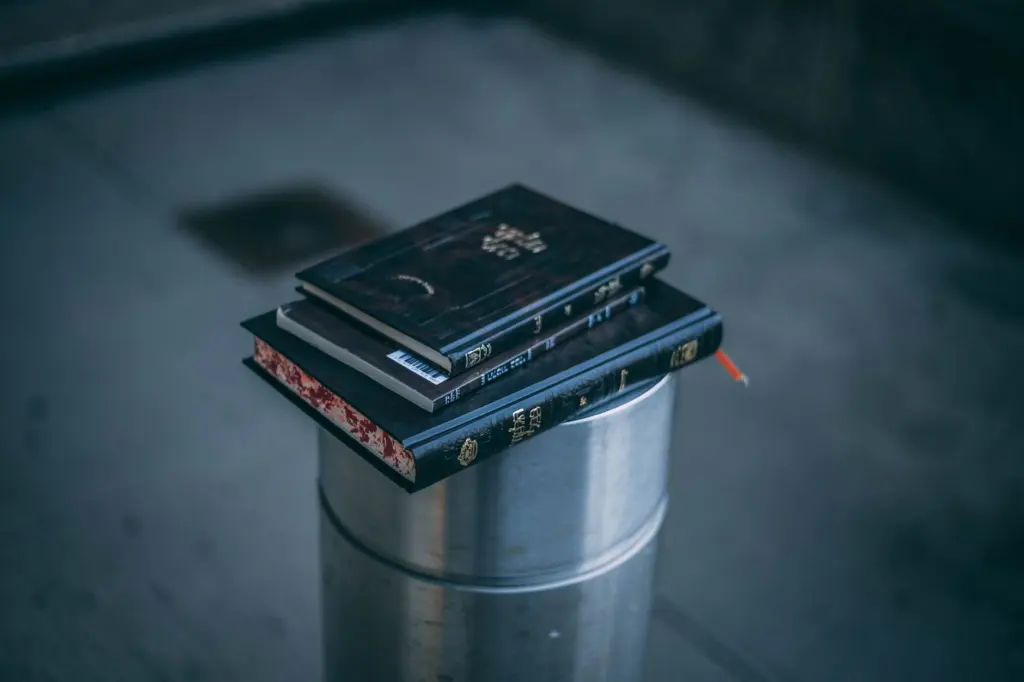
King elements matched to authors
Use this table to move from the element you enjoyed to a writer who offers it. The tone column is the quickest way to rule an author in or out.
| King element you liked | Author to try | Subgenre | Tone |
|---|---|---|---|
| New England small towns, child characters | Joe Hill | Psychological horror with supernatural creatures | Suspense that builds minute by minute |
| The past reaching into the present, family stories | Tananarive Due | Psychological horror with supernatural creatures | Family-centred, haunted by history |
| Ordinary settings that hold the supernatural | Benjamin Percy | Supernatural fiction in everyday places | Grounded, drawn from King’s It |
| Horror mixed with noir, as in Joyland | Edgar Cantero | Horror-noir | Genre-melding |
| Epidemic-scale stakes, as in The Stand | Mira Grant | Genre-bending horror, dystopian medical thriller | High-adrenaline |
| Time-travel plots, as in 11/22/63 | Lauren Beukes | High-concept literary horror | Cerebral, premise-led |
| History turned into a curse | Alma Katsu | Alternate history with psychological horror | Dark and historical |
| Cosmic dread and shaky reality | Caitlín R. Kiernan | Dark fantasy, weird fiction, cosmic horror | Reality-bending, unreliable narration |
| The uncanny in everyday life | Kelly Link | Fabulist fiction | Familiar made unfamiliar |
Subgenre and tone labels follow the descriptions in Audible’s list of authors like King and Freewrite’s guide to writers who write like him.
Small towns, family and everyday settings
If what hooked you was the feeling that something monstrous could sit inside a familiar place, start here. These writers keep the horror close to home.
Joe Hill
Joe Hill is the nearest match on setting and tone. Audible points to his small-town New England settings, psychological horror and supernatural creatures. His debut Heart-Shaped Box won the Bram Stoker Award for Best First Novel, which makes it a sound first pick. NOS4A2 is described as a blood-curdling listen that builds minute by minute with staggering suspense, so it suits readers who want propulsion over atmosphere.
Tananarive Due
Tananarive Due suits readers drawn to King’s family stories and the idea that the past lingers. Audible says that, like King, she writes of the past affecting the present in otherworldly ways, with psychological horror and supernatural creatures. Her four-part African Immortals series opens with My Soul to Keep, so a reader who likes the first book has more to follow.
Benjamin Percy
Benjamin Percy is a writer who learned directly from King. Freewrite reports that he owns nearly all of King’s work and took from It how ordinary settings can hold the supernatural. He fits readers who value the ordinary surface of a story more than its monsters.
Edgar Cantero
Edgar Cantero is the choice if Joyland was your favourite King. Audible singles out This Body’s Not Big Enough for Both of Us for melding horror with noir, which gives it a crime-story rhythm. It is a poor fit if you want slow, atmospheric dread.
Epidemics, time travel and historical curses
King’s larger-canvas books have their own followers. These writers take big premises and keep them readable.
- Mira Grant for plague-scale stories. Audible describes her as a genre-bending horror writer and calls Parasite a high-adrenaline dystopian medical thriller that recalls King’s The Stand. Choose her if the sweep of The Stand mattered more to you than small-town intimacy.
- Lauren Beukes for high-concept literary horror. Audible offers The Shining Girls as a time-travel alternative to 11/22/63. It suits readers who enjoyed the puzzle of King’s time-travel novel and want a darker, more literary treatment.
- Alma Katsu for history with a curse. Her work blends alternate history, psychological horror and the supernatural. The Hunger supposes that the doomed Donner Party of westward-bound settlers was cursed, leading to starvation and cannibalism. Expect grim material, and skip it if you prefer horror with distance.
Weird, cosmic and fabulist writers
King is often read as realism with a supernatural twist. Readers who preferred the twist should look at writers who push further from realism.
Caitlín R. Kiernan
Caitlín R. Kiernan works across dark fantasy, weird fiction and cosmic horror, in short stories, comics and novels. The Bram Stoker Award-winning The Drowning Girl, whose unreliable narrator bends reality, is the usual entry point. It fits readers who enjoyed King’s characters questioning what they saw.
Kelly Link and Karen Russell
Freewrite says Kelly Link often blurs the lines between natural and supernatural, the familiar and unfamiliar. Karen Russell, whose debut novel is Swamplandia!, places fantastical elements in the everyday world, and in her fabulism the blurring of real and unreal generates the plot. Neither is a conventional horror writer, so they suit readers who liked the uncanny moments of King more than the scares.
Stephen Graham Jones
Stephen Graham Jones is the pick for anyone who wants King-like volume to explore. His more than 20 books give a long runway once you find a title that clicks.
Choosing your next read
Narrowing the list takes three steps.
- Name your element. Decide whether you value child characters, atmospheric settings, eerie psychological horror or New England locations most.
- Find the matching table row. Check the tone column, and rule out any author whose tone you would not enjoy.
- Start with the signature title. Read the book named for that author above before exploring the rest of their work. If the tone is wrong, move to the next row rather than reading further.

The same element-first approach carries over to other genres. Readers who like to follow one author through connected books can see how that works outside horror in Every Colleen Hoover Book Series In Order: Your 2026 Reading Roadmap To Her Connected Books. For a wider look at writers grouped by country, Famous Irish Authors: A Concise Guide To Ireland’s Greatest Writers (2026) is a natural next stop.
Frequently asked questions
| Question | Answer |
|---|---|
| Who writes like Stephen King? | No single writer matches every side of him. Joe Hill is the closest on New England settings and psychological horror, and Stephen Graham Jones draws direct comparisons with King for his prolific output. |
| What should I read after King? | Start with Heart-Shaped Box by Joe Hill for small-town dread, The Drowning Girl by Caitlín R. Kiernan for weirder, reality-bending horror, or My Soul to Keep by Tananarive Due for family-centred supernatural stories. |
| Which King elements do I like most? | Think about what you remember first from your favourite King book: the children, the setting, the creeping psychological unease or the New England locations. That memory points to the matching row in the table. |
| Is On Writing a good follow-up? | It suits readers curious about craft. Freewrite describes King’s On Writing: A Memoir of the Craft as an essential text for those breaking into the art. |